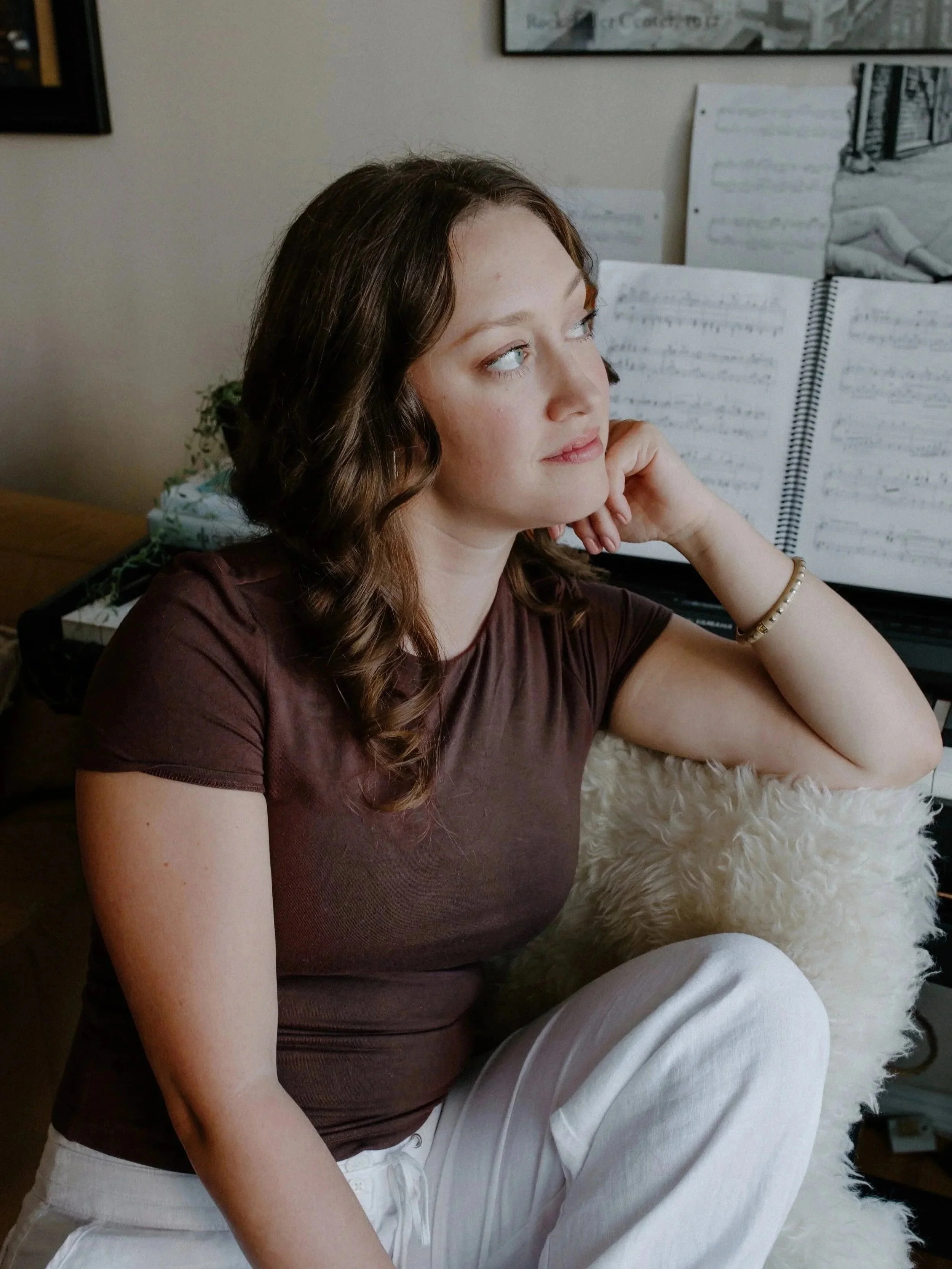
Meet Olivia
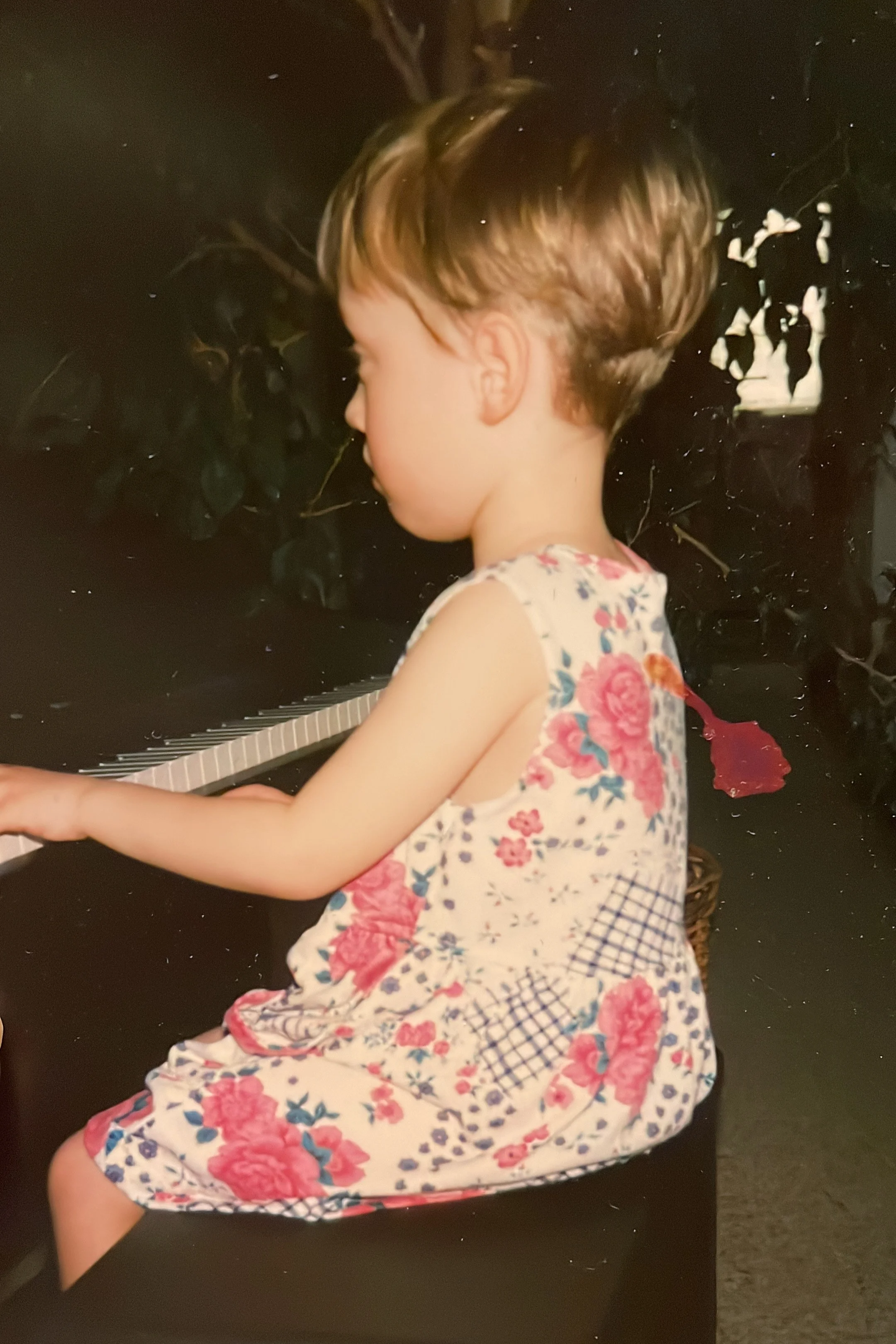
Growing up, I was the girl playing the piano at the party. Maybe for an audience, maybe not. Later, if I wasn’t in the middle of the dancefloor, I was standing in front of the speaker — eyes closed, feeling the bass move through me .
I've spent my whole life in the feeling I get from music — chasing it, studying it, and eventually building a career around helping other people find their way into it.
But I didn't get here in a straight line.
I tried to be the performer. The songwriter. The solo artist. I kept putting myself in musical molds that didn't fit and wondering why it felt so wrong.
It wasn't until I stopped trying to be a certain kind of musician and started using music the way that actually lit me up — communally, expressively, in service of other people — that everything clicked.
That's when I understood something that changed everything for me: The problem was never your relationship with music. It was that nobody ever helped you design the right one.